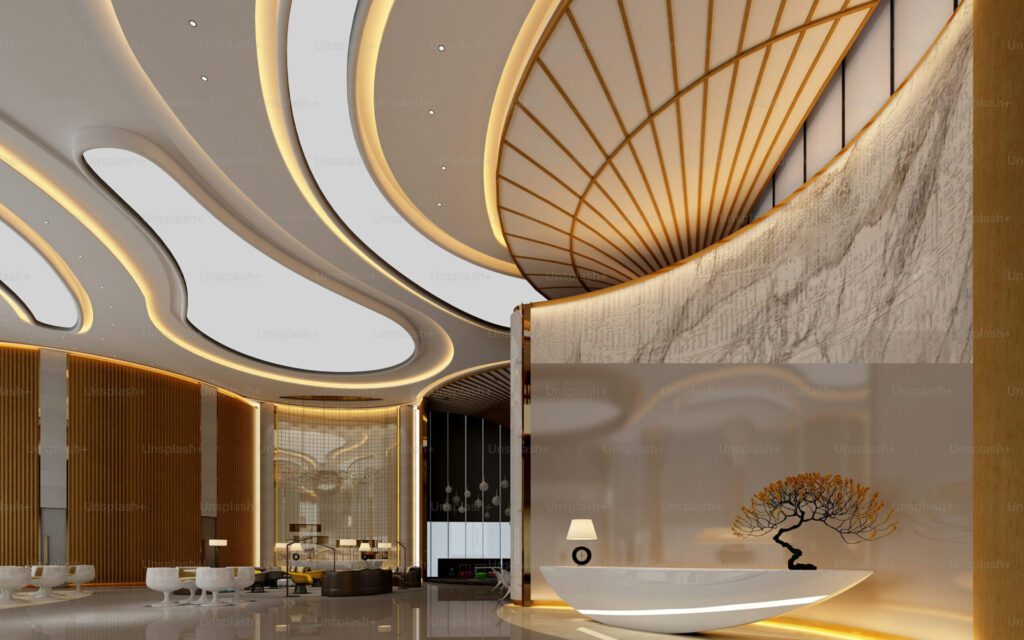
Gypsum Work Decor & Design
Gypsum Work is a versatile of Decor & Design
Gypsum is a versatile and popular material used in modern interior design for both its functional and aesthetic properties. It is a lightweight, durable, and fire-resistant material that can be shaped and molded to create a variety of decorative elements for ceilings, walls, and more.
Here’s a breakdown of common gypsum work in decor and design:
Gypsum Ceilings
False or suspended ceilings are one of the most common applications of gypsum boards. They serve multiple purposes, from concealing electrical wiring, plumbing, and air ducts to providing insulation and improving acoustics.
Types of Gypsum Ceiling Designs:
Single-Layer Ceilings: These are simple, sleek, and minimalist, ideal for modern, compact spaces with low ceiling heights.
Multi-Layer Ceilings: Also known as stepped or tiered ceilings, they create depth and a sense of grandeur. These are often seen in larger living rooms and halls.
Geometric Patterns: Gypsum can be cut and arranged into complex geometric shapes, such as squares, circles, or abstract patterns, to create a unique and contemporary look.
Cove Lighting: A popular design element, cove lighting involves recessing LED strip lights within the ceiling structure. This creates a soft, diffused glow that enhances the ambiance of the room.
Decorative Molding and Cornices: These are used to adorn the edges where the ceiling meets the wall, adding a classic, ornate, or elegant touch to the room.
Gypsum Wall Panels and Partitions
Gypsum is an excellent material for creating internal walls and decorative panels, offering a quick, cost-effective, and aesthetically pleasing alternative to traditional masonry.
Partition Walls: Gypsum partitions are non-load-bearing walls used to divide large, open spaces into separate rooms. They are lightweight, easy to install, and provide good sound and thermal insulation.
Decorative Wall Panels: Gypsum can be used to create 3D wall panels with various textures and patterns, adding a focal point to a room. These can be painted or left as a clean, white finish.
Feature Walls: Gypsum is often used to build custom feature walls with built-in shelving, display niches, or decorative frames.
Other Gypsum Decor Elements
Beyond ceilings and walls, gypsum is used to create a variety of other decorative features:
Gypsum Columns: Decorative columns can be used to add a touch of luxury and classical elegance to an interior space. They can also be used to visually separate different areas.
Gypsum Fireplaces: While not functional for fire, gypsum can be used to create decorative fireplace surrounds, adding a cozy and classic element to a room.
Archways and Niches: Gypsum can be molded to create stylish archways, decorative recesses, and display niches in walls.
Key Advantages of Gypsum Work in Interior Design:
Versatility: It can be molded into countless shapes and patterns, from simple and modern to intricate and classic.
Durability and Fire Resistance: Gypsum contains water molecules that are released as steam when exposed to heat, slowing the spread of fire. It is also a robust and long-lasting material.
Smooth Finish: Gypsum boards provide a seamless, smooth surface that is perfect for painting, wallpapering, or other finishes.
Ease and Speed of Installation: Compared to traditional construction, gypsum work is much faster and cleaner to install.
Insulation: It provides excellent thermal and acoustic insulation, making rooms more energy-efficient and quieter.