MEP Technical Works & Design
MEP Technical Works & Design
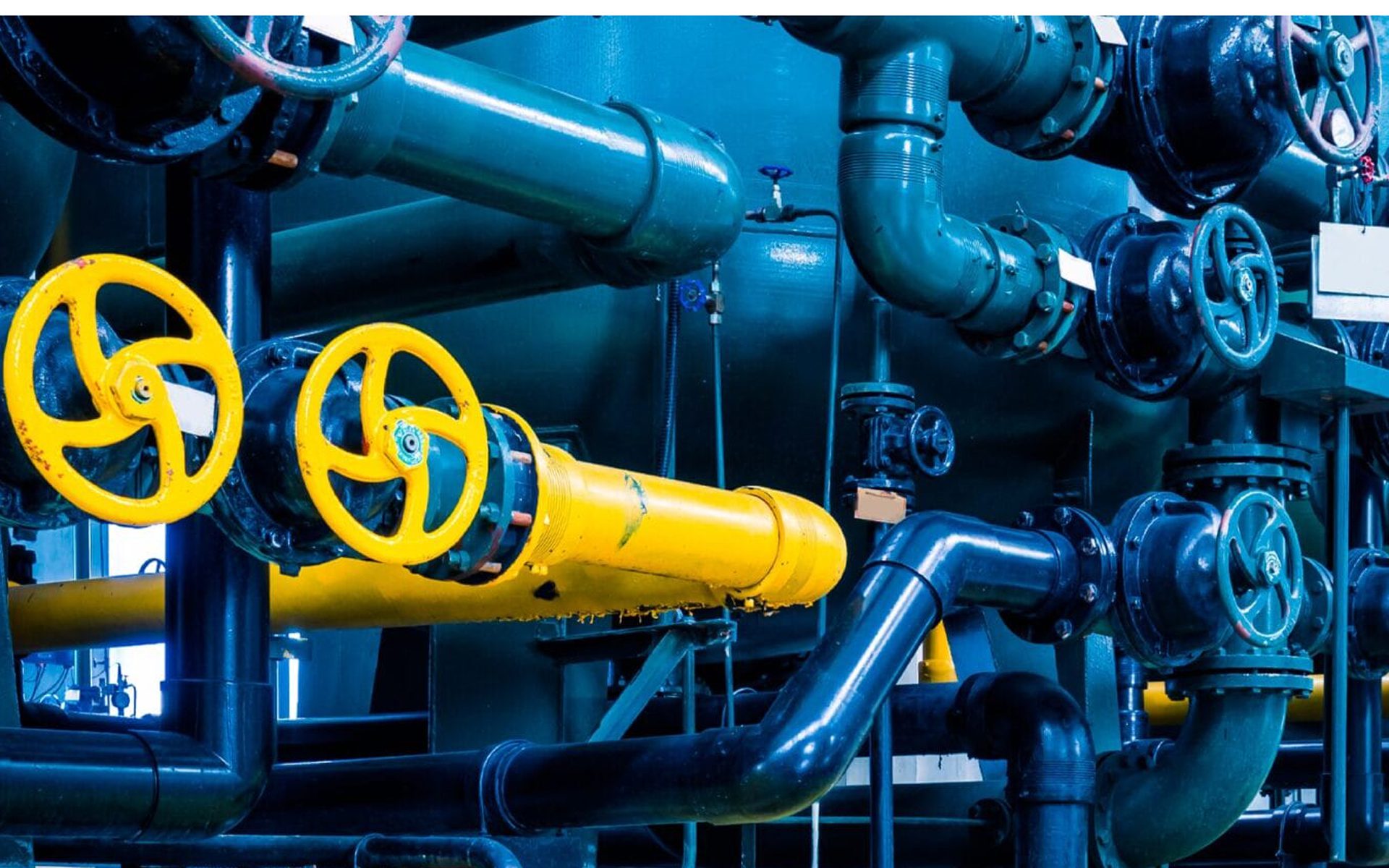
MEP stands for Mechanical, Electrical, and Plumbing, and it’s a critical field in the construction industry in the United Arab Emirates (UAE). MEP technical work and design involve the planning, design, installation, and maintenance of these essential building systems.
MEP is the core of a building’s infrastructure, ensuring it’s functional, safe, and comfortable. Engineers and technicians in this field are crucial for transforming a raw structure into a livable or usable space.
Key Components of MEP
The three main components of MEP are interconnected and work together to create a cohesive building environment.
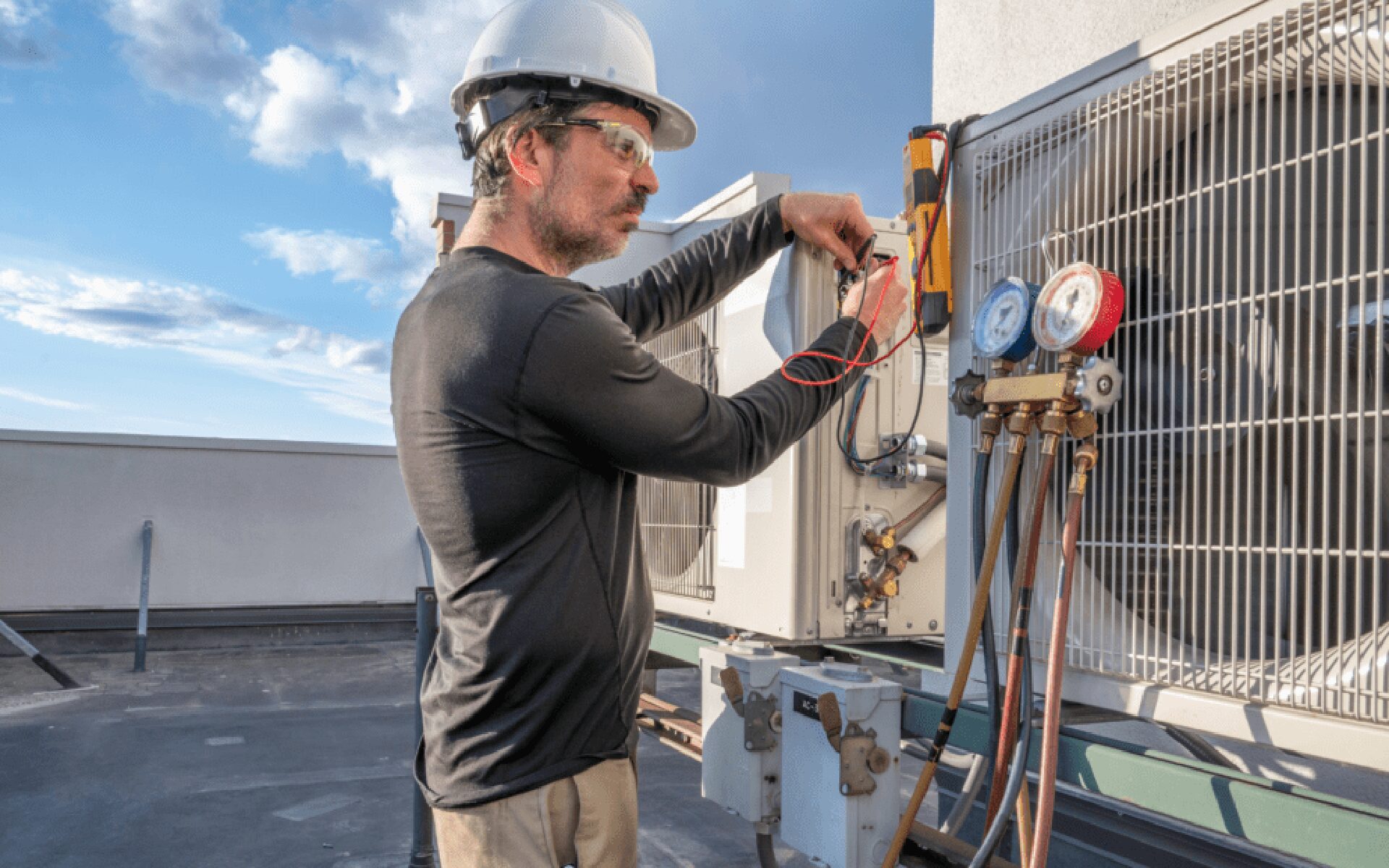
Mechanical This discipline focuses on a building’s HVAC (Heating, Ventilation, and Air Conditioning) systems. Mechanical engineers design systems to control the indoor climate, including temperature and air quality. This also includes systems like fire safety and exhaust ventilation.
Electrical This covers all aspects of a building’s electrical infrastructure. Electrical engineers design power distribution systems, lighting plans, and low-voltage systems such as fire alarms, security systems, and data/telecommunication networks. The focus is on ensuring a reliable and safe power supply while maximizing energy efficiency.
Plumbing Plumbing involves a building’s water supply and drainage systems. This includes designing domestic water systems for drinking and use, sanitary waste and vent systems, stormwater drainage, and fire protection sprinkler systems.
Technical Work and Design Process
The MEP process is a multi-stage effort that begins in the early planning phase and continues through a project’s lifecycle.
Design and Planning: This is the initial stage where MEP engineers use software like Revit MEP and AutoCAD MEP to create detailed blueprints and models. They perform calculations to determine system loads and ensure that all mechanical, electrical, and plumbing elements are coordinated and integrated with the building’s architecture and structure.
Installation: During construction, MEP professionals are responsible for the on-site installation of all the designed systems. This requires close coordination with other contractors to avoid clashes and ensure a smooth workflow.
Testing and Commissioning: Once installed, all systems are rigorously tested to ensure they operate correctly and meet design specifications. This phase includes troubleshooting any issues and making final adjustments to optimize performance and energy efficiency.
Maintenance: MEP technical work also extends to the ongoing maintenance and operation of a building’s systems to ensure their long-term reliability, safety, and efficiency.
Regulations and Standards in the UAE
MEP work in the UAE must adhere to strict local and international standards to ensure safety and sustainability. Different Emirates may have their own specific regulations, but key bodies and codes include:
Dubai Municipality (DM) and other local authorities: These government bodies set the primary building and design codes, such as the Dubai Building Code and the Green Building Regulations.
DEWA (Dubai Electricity and Water Authority): DEWA has specific guidelines for electrical and water systems, with a strong focus on energy and water conservation.
UAE Fire and Life Safety Code: This is a crucial code outlining the requirements for fire detection, suppression systems, and emergency ventilation to ensure the safety of building occupants.
International Standards: Many projects also follow international standards such as those from the American Society of Heating, Refrigerating and Air-Conditioning Engineers (ASHRAE) and the National Electrical Code (NEC).